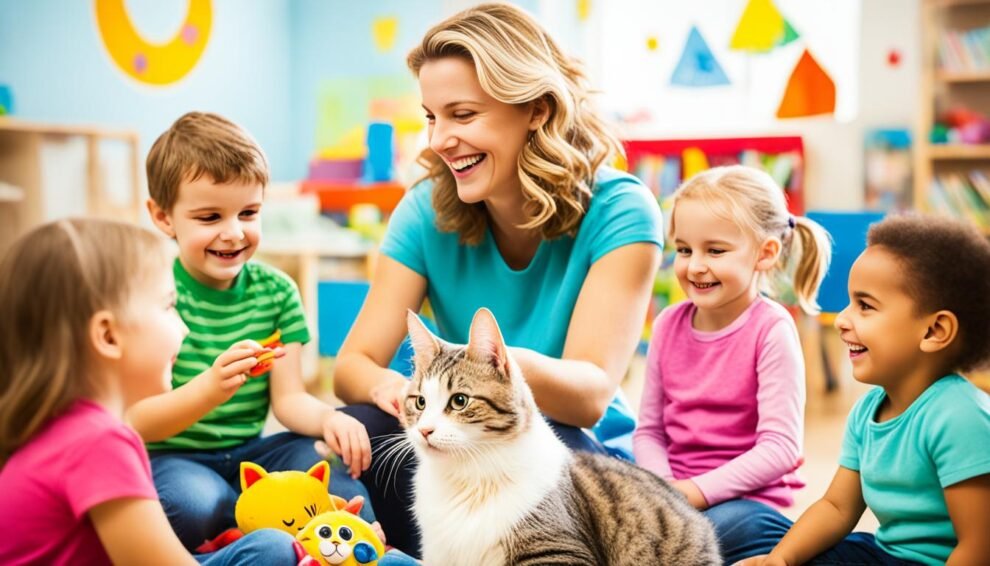
The vision of a child and their feline friend sharing quiet moments or playful antics is a heartwarming one, often captured in our fondest memories. This special bond between kids and cats can truly be magical, enriching a child's life with companionship, empathy, and joy. But like any truly rewarding relationship, it doesn't happen by accident. It's built on a foundation of understanding, respect, and, crucially, safe and positive interactions for both the child and the cat.
As parents, guardians, or educators, teaching children how to approach, interact with, and care for animals is one of the most important lessons we can impart. It's not just about preventing scratches or accidental harm; it’s about fostering a deep, empathetic connection that lasts a lifetime and nurtures a child's character.
At a glance: Fostering Harmony Between Kids & Cats
- Myth Busting: Cats aren't inherently unfriendly; many crave affection and adapt to lively homes.
- Safe Spaces First: Create quiet retreats for your cat, ensuring they always have an escape.
- Read the Room (and the Cat): Teach kids basic cat body language to understand when to approach and when to give space.
- The Golden Rules: Always advocate for gentle, supervised interactions where the cat initiates contact.
- Play Wisely: Use appropriate toys and supervise play to prevent overstimulation or fear.
- Big Benefits: A strong kid-cat bond builds empathy, responsibility, and provides emotional support.
- Health Checks: Stay vigilant for allergies and ensure your cat is healthy and vaccinated.
Dispelling Common Feline Misconceptions
Before we dive into the 'how-to,' let's clear up some widespread misunderstandings that can hinder positive kid-cat relationships. Often, negative stereotypes paint cats as aloof, unpredictable, or even aggressive. This couldn't be further from the truth for most felines.
Cats are not naturally unfriendly or uncaring; they are complex creatures capable of immense affection and deep bonds. Many cats absolutely adore being petted, playing, and curling up with their human companions, including children. Their expressions of affection might be more subtle than a dog's, but they are no less genuine.
Another myth suggests all cats despise loud noises and active households. While some certainly prefer tranquility, many cats are incredibly adaptable. With proper introductions and safe spaces, they can thrive in bustling homes with energetic children. The key is to help them feel secure and respected, even amidst the playful chaos.
Crafting a Cat-Friendly Home: A Sanctuary for All
A successful kid-cat relationship begins with the environment. Your home needs to be a place where both children and cats feel safe, comfortable, and respected. This means thoughtful planning, especially when it comes to designated spaces.
Sanctuaries for Your Feline Friend
Every cat, regardless of how friendly or social they are, needs their own personal retreat. These aren't just "cat areas"; they are safe zones where your cat can decompress, sleep undisturbed, or simply observe the world from a comfortable distance.
Think vertically: cat trees, shelves, or even the top of a dresser can offer elevated vantage points away from busy foot traffic. Provide cozy corners with soft beds, blankets, or enclosed cat caves. Cardboard boxes, surprisingly, are often a cat's favorite hiding spot—they offer a sense of security and enclosure. The crucial element is that these spaces are consistently available and respected as "cat-only" zones where children are taught not to disturb them. This gives your cat agency and control, vital for their emotional well-being.
One important tip: avoid placing litter boxes, food, or water bowls in these designated quiet zones. Cats appreciate separation between their relaxation areas and their "business" areas. Their litter box should be in a quiet, accessible location where they feel secure, not trapped, and definitely away from where children might play nearby.
Setting the Stage for Interactions
When it's time for kids and cats to interact, intention and preparation are everything. Designate specific, calm areas for gentle play, away from high-traffic zones or places where the cat might feel cornered.
Invest in durable, safe cat toys that encourage interactive play without requiring direct physical contact (more on this later). And here’s a simple but effective trick: teach children to sit on the floor when interacting with a cat. This makes the child appear less towering and threatening, placing them closer to the cat's level, which can significantly reduce feline anxiety. Always, always supervise these interactions, especially initially, to guide gentle touches and ensure both parties are comfortable. This supervision isn't just about preventing accidents; it's about modeling appropriate behavior and teaching children empathy in real-time.
Decoding Feline Whispers: Understanding Cat Body Language
Cats communicate constantly, but their language is subtle, expressed through nuances of their body. Teaching children to "read" these signals is perhaps the most critical skill for fostering positive interactions. It empowers kids to understand when a cat is happy, anxious, or needs space, turning them into empathetic observers rather than potential irritants.
Tales from the Tail
A cat's tail is a dynamic barometer of their mood:
- High and Perky: Often means happiness, confidence, or curiosity. A high tail with a slight curl or gentle quiver usually signals a friendly greeting.
- Low or Tucked: Can indicate fear, submission, or insecurity.
- Puffed Up: A clear sign of extreme fear or aggression. This cat is trying to look bigger to scare off a perceived threat.
- Swishing or Thumping: Unlike a dog's wagging tail, a cat's rapidly swishing or thumping tail is usually a sign of irritation, agitation, or stress. It means, "Stop what you're doing, I'm not happy."
Ear-ly Warnings & Welcomes
The position of a cat's ears can also tell a story:
- Forward and Upright: Generally indicates curiosity, attentiveness, or a relaxed state.
- Flattened Back (Airplane Ears): A strong signal of annoyance, fear, or aggression. This cat is feeling threatened and is trying to protect its ears.
- Swiveling/Twitching: Often indicates a cat processing sounds or feeling a bit stressed, trying to pinpoint a disturbance.
Eye-to-Eye Connections
A cat's eyes are windows to their soul and current emotional state:
- Slow Blink: This is often called a "cat kiss" and indicates trust and affection. If a cat slow blinks at you, try slow blinking back to build connection.
- Wide, Dilated Pupils: Can signal surprise, excitement, or fear. Observe the context and other body language cues.
- Slitted Pupils: May indicate aggression or a cat focusing intently on prey (or a toy).
- Direct, Unblinking Stare: Often seen as challenging or threatening by a cat. Teach kids to avoid direct, prolonged eye contact.
The Purr-plexing Sound
Purring is widely associated with contentment, and often, it is! A purring cat nestled on your lap is a picture of bliss. However, purring can also be a self-soothing mechanism when a cat is feeling stressed, in pain, or even during labor. Always consider the context: is the cat relaxed, or tense? Are there other signs of discomfort?
Posture & Paw-sitive Signals
The overall body posture gives a holistic view:
- Relaxed: A cat stretched out, perhaps even showing its belly (though this doesn't always mean "rub my tummy!"), with a loose body and soft gaze, is content.
- Crouched/Low to the Ground: Can indicate fear, readiness to pounce (in play or defense), or feeling threatened.
- Arched Back, Hissing, Growling, Swatting: These are clear, unmistakable signals that a cat feels threatened and needs space immediately. These are defensive actions, not malicious ones.
By teaching children these fundamental cues, you equip them with the tools to become respectful, mindful companions, deepening their understanding and strengthening their bond with their feline friend. For more insights into the nuances of feline behavior, explore our Kid Cat guide.
The Golden Rules for Gentle Engagements
Once children understand cat body language, the next step is to teach them the "how-to" of safe and positive interactions. These rules are non-negotiable and apply to every encounter.
Slow & Steady Wins the Purr
Cats are sensitive to sudden movements and loud noises. Teach children to approach a cat slowly and quietly. No running, no stomping, and no sudden lunges. Imagine a ninja – quiet, deliberate, and respectful of the space. This gives the cat time to assess the situation and feel secure.
Let the Cat Initiate
This is paramount. A cat that feels forced into an interaction will quickly learn to fear or avoid children. The golden rule is to always wait for the cat to approach. Encourage children to sit calmly, perhaps offering a hand (more on this below), and let the cat come to them. If the cat walks away, that's their choice, and it must be respected.
Mastering the Gentle Touch
When a cat does approach and seems open to interaction, guide children on where and how to pet.
- Preferred Spots: Most cats enjoy gentle strokes on the top of their head, behind the ears, or along their back. These areas generally feel good and are less vulnerable.
- Hands-Off Zones: Absolutely no petting on sensitive areas like the whiskers, face (especially around the eyes or mouth), paws, or tail. The tail, in particular, is highly sensitive and grabbing it can be painful or cause severe distress.
- Gentle, Not Grabbing: Emphasize light, stroking motions rather than squeezing, patting, or tugging. "Like petting a cloud," you might tell them.
Respecting Their Retreat
If a cat walks away, hides, or shows any signs of stress (flattened ears, swishing tail, stiff posture), the interaction must end immediately. Teach children that "no" doesn't mean "try harder"; it means "I need space." Chasing a cat that wants to be left alone is not only terrifying for the cat but also teaches the child to disregard boundaries, which is a harmful lesson for all relationships.
Supervised Play & Responsible Handling
Interactive play is a fantastic way for children and cats to bond, but it requires the right tools and constant supervision.
Engaging Playtime for All
The best cat toys allow for interaction without direct physical contact between hands and paws. This protects both the child and the cat from accidental scratches and teaches the cat that human hands are not toys.
- Feather Wands & Fishing Pole Toys: These are excellent. They allow children to mimic prey movement, engaging the cat's hunting instincts from a safe distance. Teach kids to let the "prey" fly, pounce, and then "escape" for a truly satisfying hunt.
- Laser Pointers: Use with caution. While fun, they can be frustrating for cats if they never get to "catch" the dot. Always end a laser pointer session by immediately switching to a physical toy the cat can catch and triumphantly "kill."
- Soft Balls & Crinkle Toys: These can encourage independent play or gentle games of fetch.
Allow children to take turns engaging the cat with these toys, always ensuring the cat remains comfortable and isn't overwhelmed. Keep play sessions short (5-10 minutes) to avoid overstimulation. When playtime is over, put toys away to maintain their novelty and prevent the cat from chewing on unsafe items.
The Art of the Gentle Pet
Once a cat has approached and is showing signs of comfort (e.g., slow blinks, purring, relaxed posture), you can guide children on how to initiate a gentle pet.
- Extend a Hand: Teach kids to extend a finger or hand slowly, palm down, allowing the cat to sniff it first. This is how cats "meet" each other.
- Wait for Consent: If the cat rubs against the hand or nudges it, that's an invitation to pet. If the cat pulls back, turns away, or shows any signs of discomfort, the answer is no.
- Gentle Strokes: If consent is given, encourage gentle strokes along the cat's back, from head to tail base. Watch the cat's reaction closely.
- Back Off: If the cat's tail starts to swish rapidly, ears flatten, or they tense up, immediately back off. The cat is communicating they've had enough.
Never allow children to pick up a cat without explicit instruction and supervision. Most cats prefer all four paws on the ground. If lifting is necessary (e.g., for vet visits), teach an adult or older child how to support the cat's entire body securely.
The Profound Benefits of a Kid-Cat Bond
Beyond the immediate joy, the relationship between a child and a cat offers a wealth of developmental advantages, shaping kids into more compassionate, responsible, and emotionally intelligent individuals.
Nurturing Empathy & Responsibility
Caring for a living creature teaches children about the needs of others. They learn to interpret non-verbal cues, understanding that an animal has feelings, boundaries, and requires gentle treatment. This process directly cultivates empathy. Providing simple tasks like helping to fill a food bowl, refreshing water, or gentle grooming (with supervision) instills a sense of responsibility. This can significantly boost a child's self-esteem as they see their efforts make a tangible difference in their pet's life.
A Furry Therapist: Emotional Support
Cats are masters of unconditional love. They don't judge, they just are. This makes them incredible sources of emotional support. Petting a cat has been scientifically shown to reduce stress, lower blood pressure, and promote relaxation in humans. For children navigating the complexities of school, friendships, or family changes, a cat can be a constant, comforting presence—a silent confidant and a warm, furry anchor in turbulent times. This therapeutic benefit is particularly pronounced for children with special needs, who often find unique solace and connection with animals.
Friendship for Life's Journeys
A cat can be a child's first best friend, a steadfast companion through all stages of growing up. This bond can provide a sense of stability, companionship, and a source of countless cherished memories. From quiet reading sessions with a purring cat on their lap to playful antics with a feather wand, these shared experiences become the fabric of a child's early life, teaching them about loyalty and companionship.
Beyond the Screen: Real-World Engagement
In an increasingly digital world, the presence of a pet offers a powerful antidote to excessive screen time. Interacting with a cat encourages physical activity (chasing a toy, even if the child is merely holding the wand), sparks creativity (imagining the cat's "adventures"), and indirectly hones social skills through non-verbal communication and boundary setting. It provides a tangible, living, breathing connection to the natural world right in their own home.
Keeping Everyone Healthy: Addressing Potential Concerns
While the benefits are profound, it's also important to address practical health considerations to ensure the well-being of both children and cats.
Navigating Pet Allergies
One of the most common health concerns is pet allergies. If children exhibit symptoms such as sneezing, runny nose, itchy eyes, skin rashes, or respiratory issues (wheezing, difficulty breathing) after interacting with a cat, it's crucial to consult a healthcare professional. Cat dander—microscopic flakes of skin—is the primary allergen, not necessarily the fur itself.
While there's no guaranteed "hypoallergenic" cat, some breeds produce less dander. Minimizing allergens in the home can involve several strategies: regular professional grooming for the cat, frequent vacuuming (with a HEPA filter), using air purifiers, and restricting the cat's access to certain areas (like the child's bedroom).
Prioritizing Feline Wellness
A healthy cat is a happy cat, and a happy cat is more likely to be a good companion for children. Ensure your cat is up-to-date on all vaccinations and regular veterinary check-ups. This includes parasite control (fleas, ticks, worms). A healthy cat is less likely to carry zoonotic diseases (those transmittable between animals and humans) and is generally more comfortable and tolerant. Teaching children the importance of handwashing after playing with pets is also a fundamental hygiene lesson.
Building a Lifetime of Love
The journey of fostering safe and positive interactions between kids and cats isn't just about managing two species under one roof; it's about cultivating a deep, respectful relationship built on understanding and empathy. It’s an ongoing process of teaching, observing, and adapting, but the rewards are immeasurable.
When children learn to respect a cat's boundaries, interpret their subtle cues, and engage in gentle, appropriate ways, they aren't just becoming better pet owners. They are developing core life skills: empathy, patience, responsibility, and the ability to form deep, meaningful bonds. The purr of a contented cat, the gentle nuzzle against a child's hand, or the shared quiet moments are priceless treasures. By laying this groundwork, you're not just creating a happy home; you're nurturing a lasting friendship that will enrich both your child's life and your cat's for years to come.